“First Aid” for Plants: How to Recognize Diseases
“First Aid” for Plants: How to Recognize Diseases
“First Aid” for Plants: How to Recognize Diseases
Sali Beruchashvili
8-10 minutes
Plant Care and Health
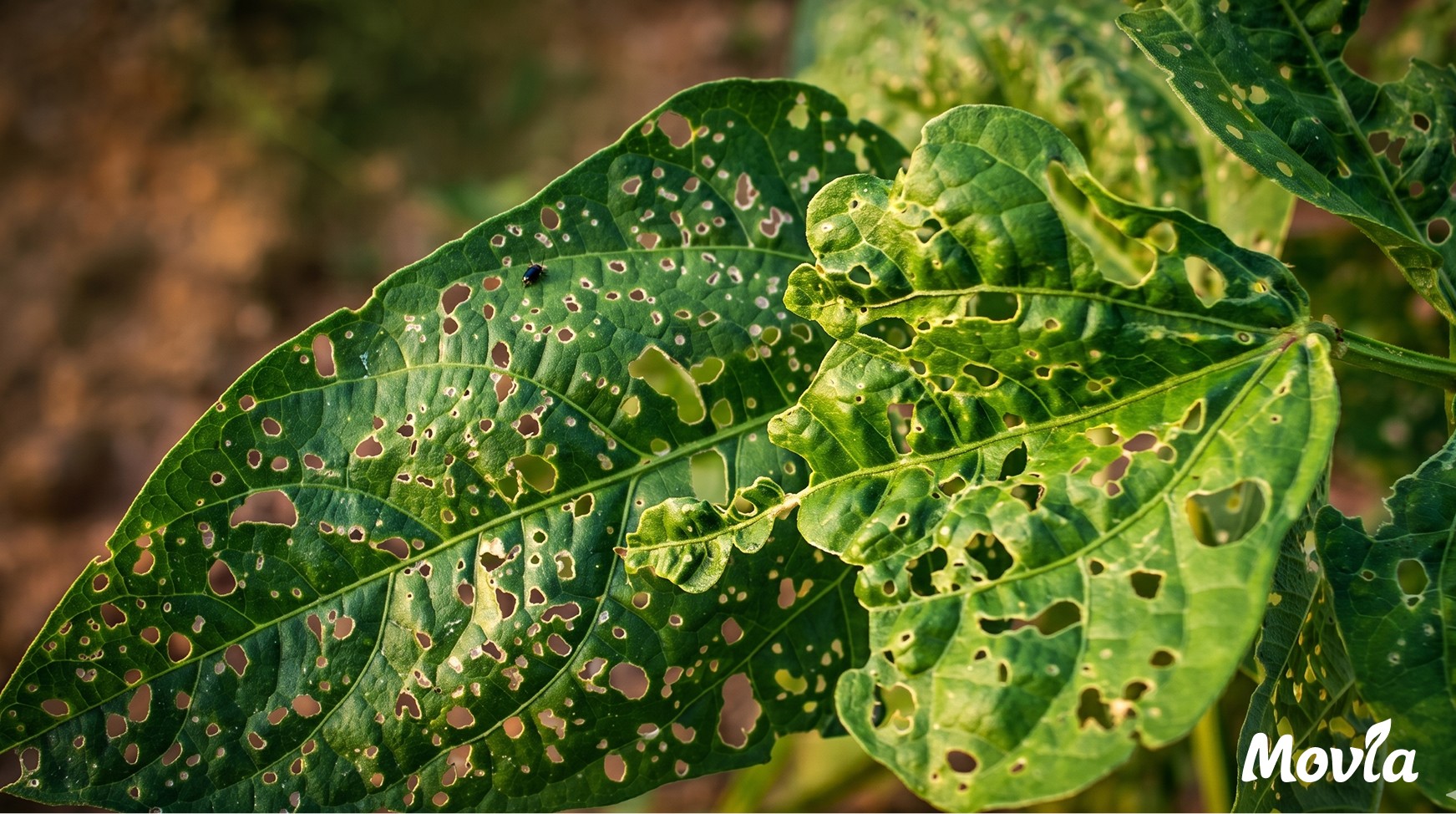
Plants try to communicate with us through their leaves. A yellow spot, brown edges, or a white coating — all of this is a signal that the plant needs help. However, before starting treatment, it is necessary to make a diagnosis. It is important to distinguish between a symptom (the plant's response, e.g. wilting) and a sign (a visible trace of the cause of the disease itself, e.g. mold growth).
Plants try to communicate with us through their leaves. A yellow spot, brown edges, or a white coating — all of this is a signal that the plant needs help. However, before starting treatment, it is necessary to make a diagnosis. It is important to distinguish between a symptom (the plant's response, e.g. wilting) and a sign (a visible trace of the cause of the disease itself, e.g. mold growth).
The plant's chance of survival increases by 80% if you detect the problem at the very first signs and accurately identify what is causing it.
The plant's chance of survival increases by 80% if you detect the problem at the very first signs and accurately identify what is causing it.
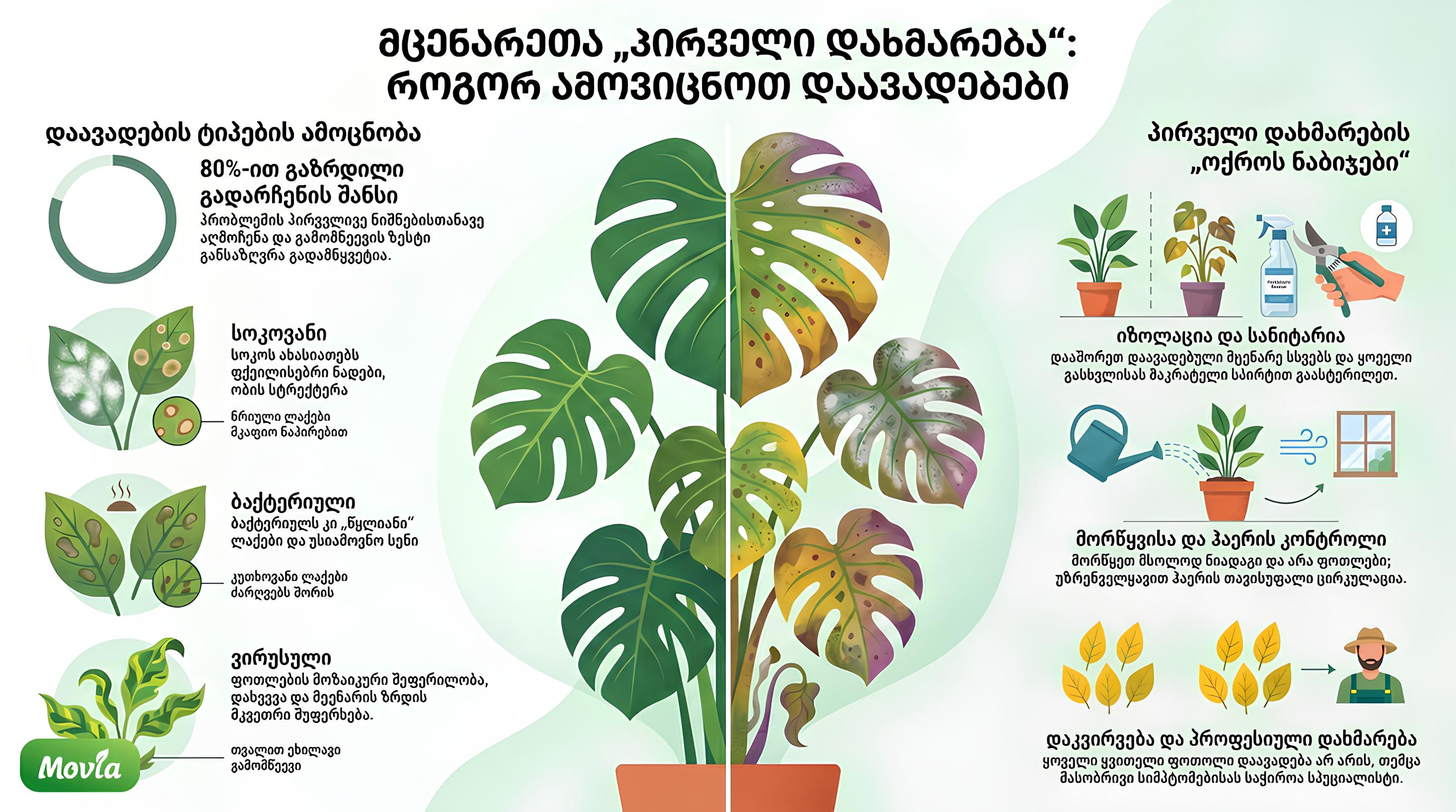
How do we identify the type of disease?
Diseases are divided into three main groups. Each has its own characteristic signs:
Fungal diseases (the most common)
Signs: powdery coating (Powdery Mildew), rust-colored spots on the underside of leaves, or mold-like structures.
Symptoms: spotting on the leaves, which is often circular and has distinct edges.
Cause: excess moisture and poor air circulation.
Bacterial diseases
Signs: “water-soaked” spots (Water-soaked spots) that spread quickly. They are often accompanied by an unpleasant smell.
Symptoms: angular spots between the leaf veins or rotting of plant parts.
Solution: bacterial diseases are difficult to treat, so the main thing is the timely removal of affected parts.
Viral diseases
Symptoms: mosaic coloration of the leaves (a mixed pattern of yellow and green patches), leaf curling, and a sharp slowdown in plant growth.
Signs: viruses are invisible to the eye; they live inside plant cells. Insects are often their carriers.
The “golden steps” of first aid:
Isolation: if you suspect an infection, separate the plant from others so the disease does not spread.
Sanitation: cut off affected leaves. Important: after each cut, sterilize the scissors with alcohol!
Air circulation: make sure the plants are not placed too close together.
Watering control: never water the plant on the leaves; supply water directly to the soil. A wet leaf is the best environment for fungus.
How do we identify the type of disease?
Diseases are divided into three main groups. Each has its own characteristic signs:
Fungal diseases (the most common)
Signs: powdery coating (Powdery Mildew), rust-colored spots on the underside of leaves, or mold-like structures.
Symptoms: spotting on the leaves, which is often circular and has distinct edges.
Cause: excess moisture and poor air circulation.
Bacterial diseases
Signs: “water-soaked” spots (Water-soaked spots) that spread quickly. They are often accompanied by an unpleasant smell.
Symptoms: angular spots between the leaf veins or rotting of plant parts.
Solution: bacterial diseases are difficult to treat, so the main thing is the timely removal of affected parts.
Viral diseases
Symptoms: mosaic coloration of the leaves (a mixed pattern of yellow and green patches), leaf curling, and a sharp slowdown in plant growth.
Signs: viruses are invisible to the eye; they live inside plant cells. Insects are often their carriers.
The “golden steps” of first aid:
Isolation: if you suspect an infection, separate the plant from others so the disease does not spread.
Sanitation: cut off affected leaves. Important: after each cut, sterilize the scissors with alcohol!
Air circulation: make sure the plants are not placed too close together.
Watering control: never water the plant on the leaves; supply water directly to the soil. A wet leaf is the best environment for fungus.
Conclusion
Summary
Plant care is the art of observation. Not every yellow leaf means disease — often it is simply the result of improper watering or feeding. However, if the symptoms are widespread, timely response is crucial.
Not sure what's wrong with your plant? Movla's specialists are ready to help with diagnosis and creating a treatment plan. Our team will help restore a healthy and vibrant look to your garden.
👉 Call a specialist: https://movla.ge/
Blog
Read other articles
Blog
Read other articles
Blog
Read other articles



Caring for us is easy
Download the "Movla" app and find the specialist you need, or fill out an application and become a gardener yourself!
simple
reliable
safe
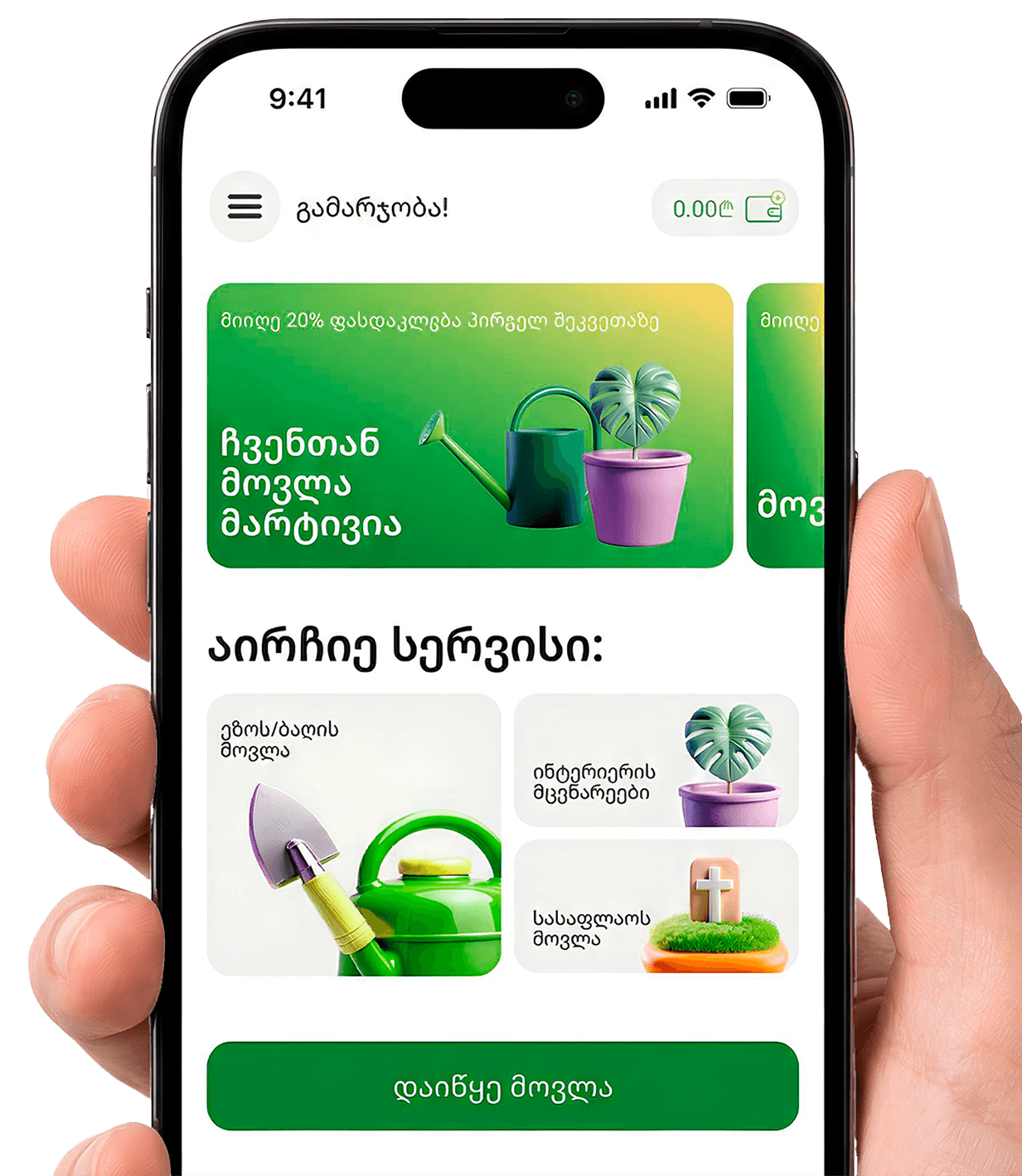
Caring for us is easy
Download the "Movla" app and find the specialist you need, or fill out an application and become a gardener yourself!
Caring for us is easy
Download the "Movla" app and find the specialist you need, or fill out an application and become a gardener yourself!