The Tomato Ripening Revolution: Practical Tips to Make Growing Tomatoes Easier
The Tomato Ripening Revolution: Practical Tips to Make Growing Tomatoes Easier
The Tomato Ripening Revolution: Practical Tips to Make Growing Tomatoes Easier
Tinatin Abazadze
8
A guide to growing tomatoes
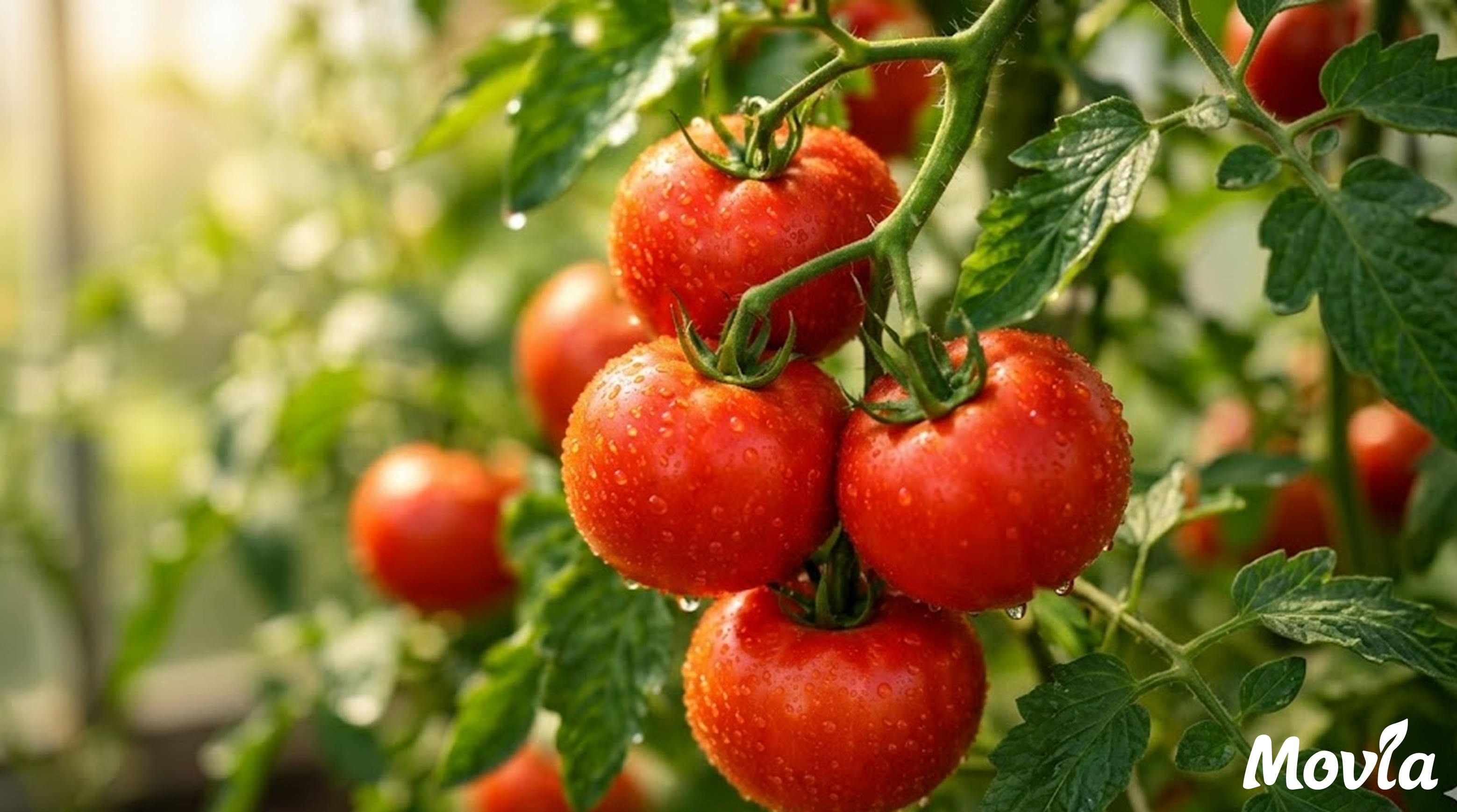
Growing tomatoes is a favorite activity for many gardeners, but it is often associated with difficulties, diseases, and frustration. Many of us dream of perfectly ripe, juicy fruit, but in reality, we often get diseased bushes or cracked tomatoes. That is why we offer a solution – "Tomato Ripening Revolution". This is not a complex scientific approach, but a set of practical, time-tested tips aimed at simplifying the process and improving the result.
Growing tomatoes is a favorite activity for many gardeners, but it is often associated with difficulties, diseases, and frustration. Many of us dream of perfectly ripe, juicy fruit, but in reality, we often get diseased bushes or cracked tomatoes. That is why we offer a solution – "Tomato Ripening Revolution". This is not a complex scientific approach, but a set of practical, time-tested tips aimed at simplifying the process and improving the result.
Successfully growing tomatoes doesn't mean spending hours in the garden. It means making the right decisions from the very beginning of the process and understanding the plant's needs with minimal intervention.
Successfully growing tomatoes doesn't mean spending hours in the garden. It means making the right decisions from the very beginning of the process and understanding the plant's needs with minimal intervention.
Here are the core principles that will help you revolutionize the tomato-growing process:
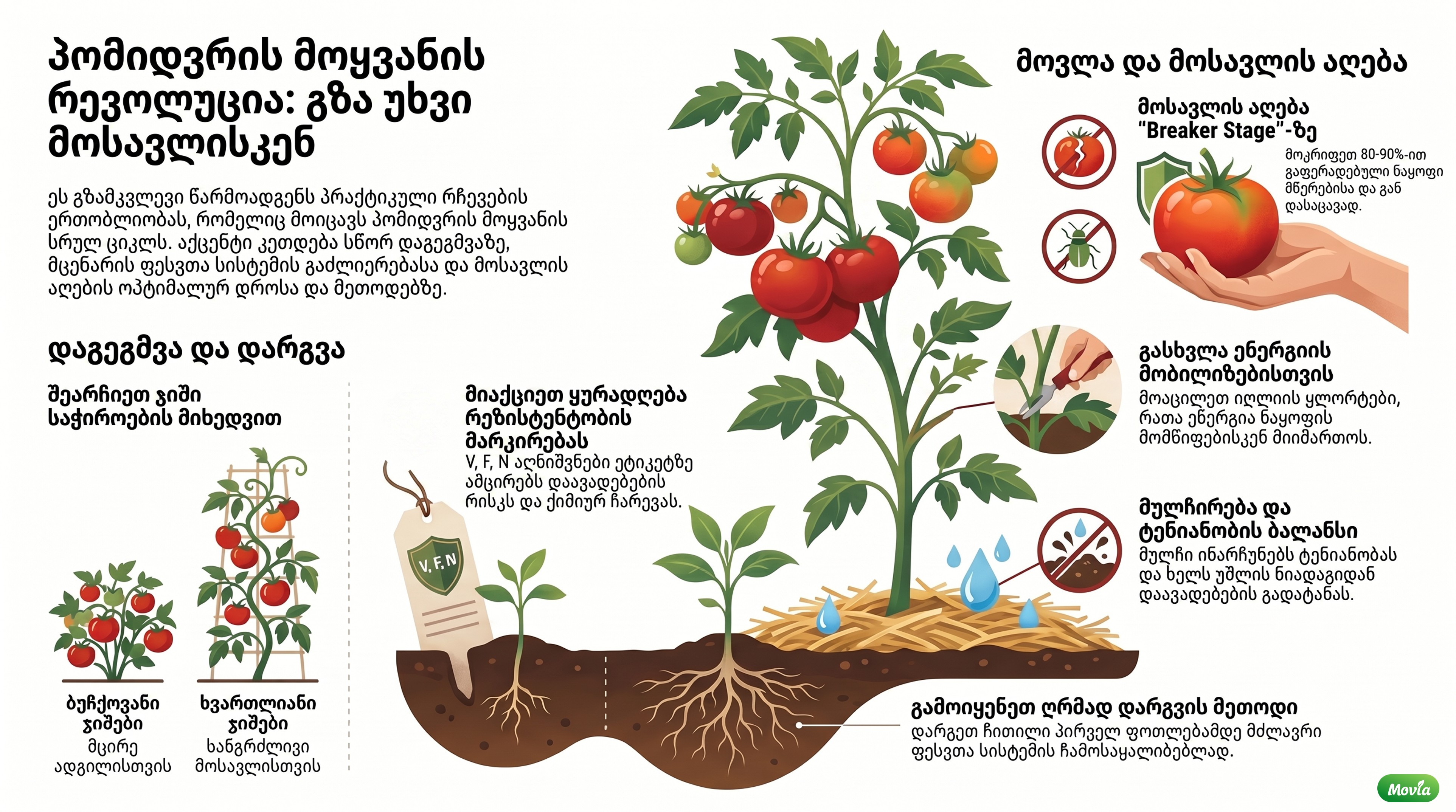
1. Choosing the Right Variety: The Foundation of Foundations The revolution begins not in the garden, but when choosing seeds or seedlings.
Determinant (bush) vs Indeterminant (vining): Understand the difference. If you have limited space or want the harvest all at once (for canning), choose determinant varieties. If you want a harvest throughout the season, choose indeterminant.
Disease Resistance: Always look for disease resistance markings on the label (e.g., V, F, N). This will drastically reduce the need for chemical treatments.
2. Soil Preparation and Planting: Deep Roots
Deep Planting: Tomatoes are one of the few plants that can develop roots from any part of the stem. Plant the transplant deep, up to the first leaves. This will create a robust root system.
Soil Structure: Tomatoes love loose soil rich in organic matter. Adding compost during planting is essential.
3. Watering and Mulching: Moisture Balance
Consistent Watering: This is the key to preventing cracking and blossom end rot. Do not allow the soil to dry out completely and then water heavily.
Mulching: Use straw, shredded leaves, or compost around the plant. Mulch retains moisture, suppresses weeds, and prevents soil spores from splashing onto the leaves during watering.
4. Support and Pruning: Air and Light
Sturdy Support: Use sturdy cages (The Ultimate Tomato Cage) or stakes. This keeps the plant off the ground, improves air circulation, and reduces disease risk.
Pruning: Especially important for indeterminant varieties. Remove "suckers" so that energy is directed toward ripening fruit, not growing leaves.
5. Harvesting: Don't Wait for Perfection on the Bush
Ripening Phase: Many gardeners make the mistake of waiting for tomatoes to turn completely red on the vine; the right time is when the fruit is 80-90% colored (the so-called "breaker stage").
Why? At this point, the fruit is already physiologically ripe and does not require additional nutrients from the plant. By removing it from the plant, you:
Protect the fruit from insects and birds.
Reduce the risk of cracking after rain.
Allow the plant to channel energy into the remaining fruit. Tomatoes will ripen perfectly indoors, at room temperature, without losing any flavor characteristics.
Here are the core principles that will help you revolutionize the tomato-growing process:
1. Choosing the Right Variety: The Foundation of Foundations The revolution begins not in the garden, but when choosing seeds or seedlings.
Determinant (bush) vs Indeterminant (vining): Understand the difference. If you have limited space or want the harvest all at once (for canning), choose determinant varieties. If you want a harvest throughout the season, choose indeterminant.
Disease Resistance: Always look for disease resistance markings on the label (e.g., V, F, N). This will drastically reduce the need for chemical treatments.
2. Soil Preparation and Planting: Deep Roots
Deep Planting: Tomatoes are one of the few plants that can develop roots from any part of the stem. Plant the transplant deep, up to the first leaves. This will create a robust root system.
Soil Structure: Tomatoes love loose soil rich in organic matter. Adding compost during planting is essential.
3. Watering and Mulching: Moisture Balance
Consistent Watering: This is the key to preventing cracking and blossom end rot. Do not allow the soil to dry out completely and then water heavily.
Mulching: Use straw, shredded leaves, or compost around the plant. Mulch retains moisture, suppresses weeds, and prevents soil spores from splashing onto the leaves during watering.
4. Support and Pruning: Air and Light
Sturdy Support: Use sturdy cages (The Ultimate Tomato Cage) or stakes. This keeps the plant off the ground, improves air circulation, and reduces disease risk.
Pruning: Especially important for indeterminant varieties. Remove "suckers" so that energy is directed toward ripening fruit, not growing leaves.
5. Harvesting: Don't Wait for Perfection on the Bush
Ripening Phase: Many gardeners make the mistake of waiting for tomatoes to turn completely red on the vine; the right time is when the fruit is 80-90% colored (the so-called "breaker stage").
Why? At this point, the fruit is already physiologically ripe and does not require additional nutrients from the plant. By removing it from the plant, you:
Protect the fruit from insects and birds.
Reduce the risk of cracking after rain.
Allow the plant to channel energy into the remaining fruit. Tomatoes will ripen perfectly indoors, at room temperature, without losing any flavor characteristics.
Conclusion
Summary
The tomato ripening revolution does not mean changing the laws of nature, but working in harmony with them. By choosing the right variety, caring for the soil, consistent maintenance, and timely harvesting, you can significantly simplify the process and obtain an abundant, healthy harvest. These tips will help make gardening a source of pleasure and not stress. Try this approach this season and see the difference for yourself!
Blog
Read other articles
Blog
Read other articles
Blog
Read other articles




Caring for us is easy
Download the "Movla" app and find the specialist you need, or fill out an application and become a gardener yourself!
simple
reliable
safe

Caring for us is easy
Download the "Movla" app and find the specialist you need, or fill out an application and become a gardener yourself!
Caring for us is easy
Download the "Movla" app and find the specialist you need, or fill out an application and become a gardener yourself!