Chickens in the Garden: How to Turn Them into Your Best “Gardeners”
Chickens in the Garden: How to Turn Them into Your Best “Gardeners”
Chickens in the Garden: How to Turn Them into Your Best “Gardeners”
Sali Beruchashvili
8 - 10 minutes
Eco-friendly gardening
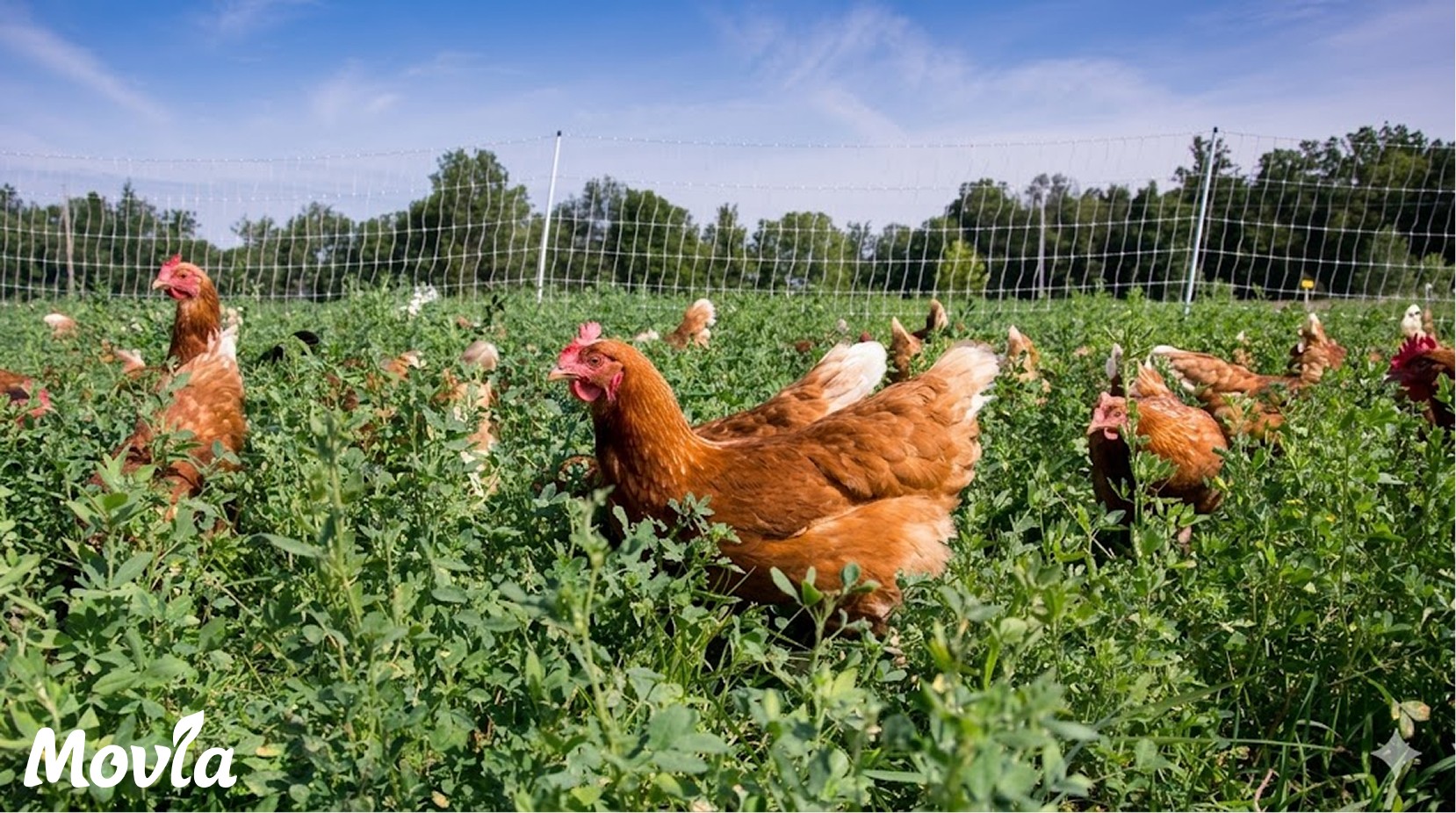
For many gardeners, chickens in the yard are a real secret weapon. They are not just poultry; with proper management, chickens are an anti-pest squad and a constant source of organic fertilizer.
According to Joe Lamp'l and other experts, “chicken gardening” is one of the most effective ways to create a sustainable ecosystem. The key is to know how to set boundaries so that your beloved tomato seedlings do not fall victim to their appetite.
For many gardeners, chickens in the yard are a real secret weapon. They are not just poultry; with proper management, chickens are an anti-pest squad and a constant source of organic fertilizer.
According to Joe Lamp'l and other experts, “chicken gardening” is one of the most effective ways to create a sustainable ecosystem. The key is to know how to set boundaries so that your beloved tomato seedlings do not fall victim to their appetite.
A chicken in the garden is a natural "combine harvester": it weeds, destroys pests, and turns garden waste into valuable fertilizer in seconds.
A chicken in the garden is a natural "combine harvester": it weeds, destroys pests, and turns garden waste into valuable fertilizer in seconds.
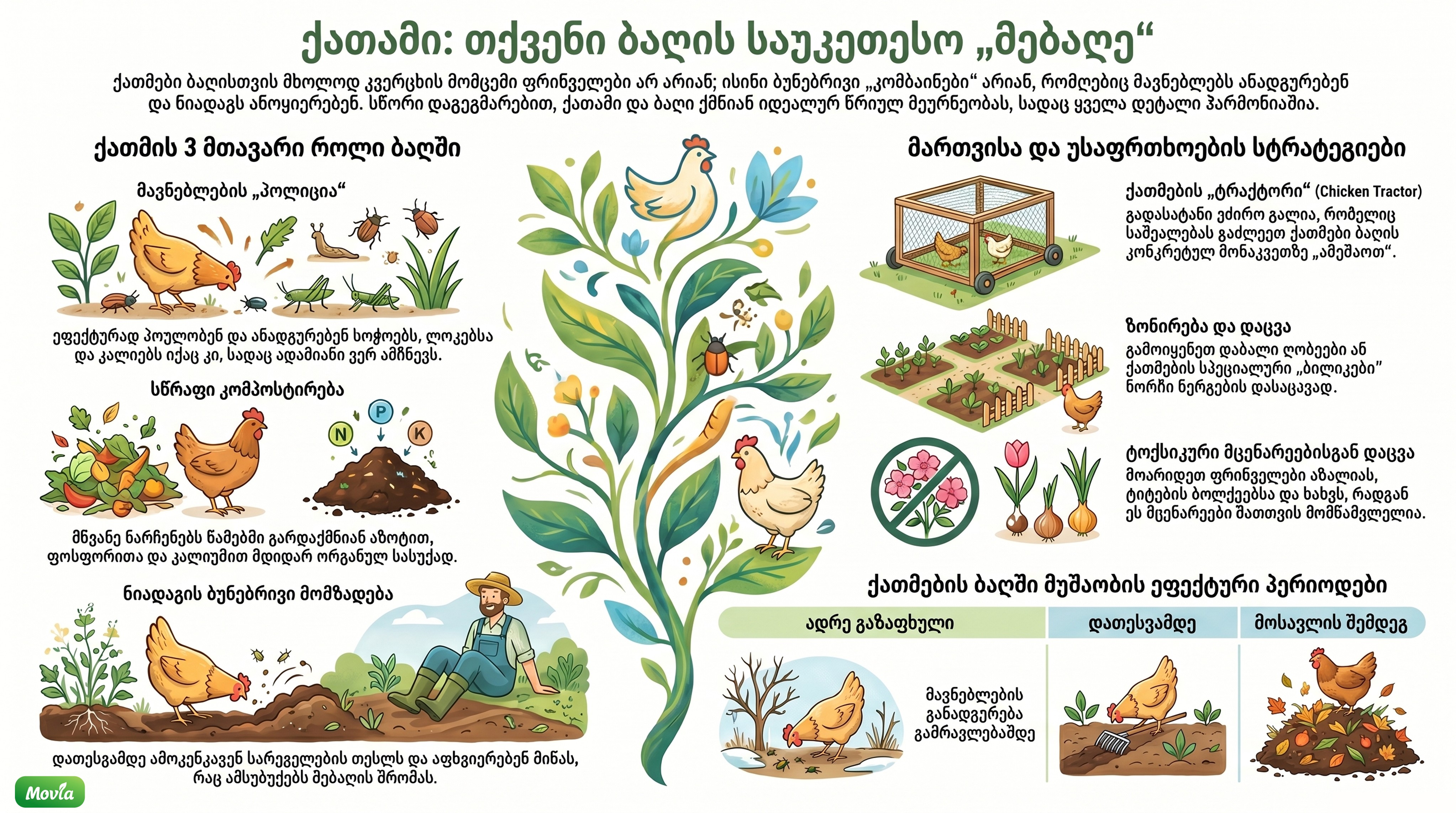
The role of chickens in the garden cycle:
Pest “police”: Chickens have amazing eyesight. They find beetles, snails, grasshoppers, and aphids even where you do not notice them. It is especially effective to let them into the yard in early spring, before pests begin to multiply.
Fast composting: Chickens are the garden’s best recyclers. Any weed or kitchen green waste is processed by them in seconds and transformed into manure rich in nitrogen, phosphorus, and potassium.
Soil preparation: Before sowing new beds, let the chickens into this area. They will peck out weed seeds and loosen the soil, which will significantly lighten your workload.
Strategies for balance:
“Chicken tractor” (Chicken Tractor): This is a portable, bottomless cage that allows you to “put” chickens to work in a specific part of the garden. When they clear one spot, you move the cage somewhere else.
Zoning and fences: Use low decorative fences to protect young seedlings. Chickens cause the most damage to tender, newly sprouted shoots.
Chicken “paths”: Set up special paths around the perimeter of the vegetable garden. This will allow them to protect your beds from pests coming from outside without entering the beds themselves.
Safety rules:
Toxic plants: Avoid planting near them plants that are poisonous to birds (e.g., azalea, tulip bulbs, onion).
Mulch protection: Since chickens love scratching, place large stones around mulched areas or use wire mesh so the mulch does not scatter.
The role of chickens in the garden cycle:
Pest “police”: Chickens have amazing eyesight. They find beetles, snails, grasshoppers, and aphids even where you do not notice them. It is especially effective to let them into the yard in early spring, before pests begin to multiply.
Fast composting: Chickens are the garden’s best recyclers. Any weed or kitchen green waste is processed by them in seconds and transformed into manure rich in nitrogen, phosphorus, and potassium.
Soil preparation: Before sowing new beds, let the chickens into this area. They will peck out weed seeds and loosen the soil, which will significantly lighten your workload.
Strategies for balance:
“Chicken tractor” (Chicken Tractor): This is a portable, bottomless cage that allows you to “put” chickens to work in a specific part of the garden. When they clear one spot, you move the cage somewhere else.
Zoning and fences: Use low decorative fences to protect young seedlings. Chickens cause the most damage to tender, newly sprouted shoots.
Chicken “paths”: Set up special paths around the perimeter of the vegetable garden. This will allow them to protect your beds from pests coming from outside without entering the beds themselves.
Safety rules:
Toxic plants: Avoid planting near them plants that are poisonous to birds (e.g., azalea, tulip bulbs, onion).
Mulch protection: Since chickens love scratching, place large stones around mulched areas or use wire mesh so the mulch does not scatter.
Conclusion
Summary
Gardening with chickens will make your yard more lively, productive, and eco-friendly. This is an ideal circular farm system: the garden feeds the chickens, and the chickens feed the garden. The key is proper planning and zoning.
Would you like to create a yard where every detail is in harmony? The Movla team will help you arrange your garden intelligently so that your domestic birds bring only benefits to your green space.
Blog
Read other articles
Blog
Read other articles
Blog
Read other articles



Caring for us is easy
Download the "Movla" app and find the specialist you need, or fill out an application and become a gardener yourself!
simple
reliable
safe
Caring for us is easy
Download the "Movla" app and find the specialist you need, or fill out an application and become a gardener yourself!
Caring for us is easy
Download the "Movla" app and find the specialist you need, or fill out an application and become a gardener yourself!