How to Start a Vegetable Garden — A Guide for Beginners
How to Start a Vegetable Garden — A Guide for Beginners
How to Start a Vegetable Garden — A Guide for Beginners
Tiko Abazadze
6-7 minutes
Vegetable garden and garden
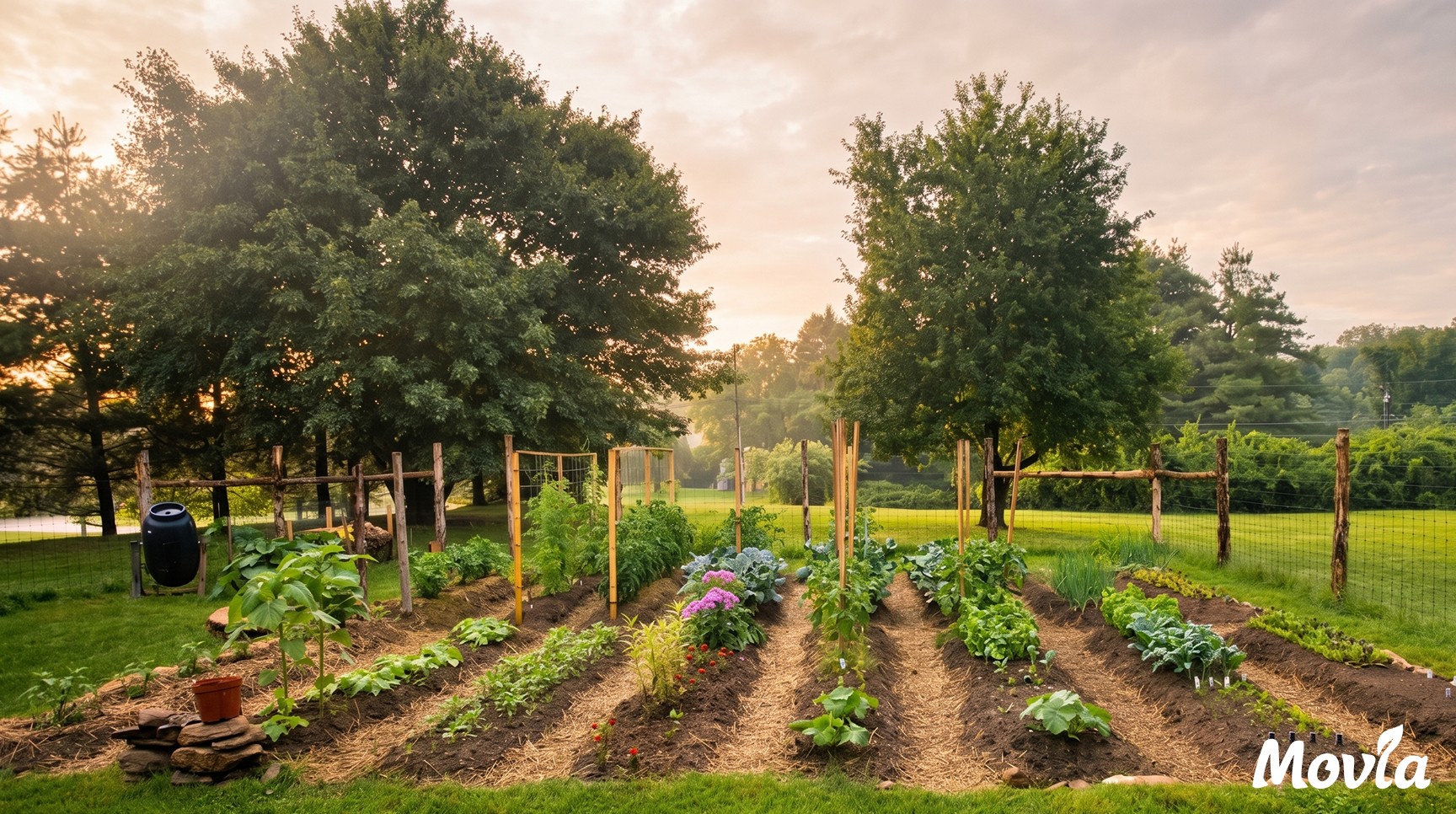
Growing your own garden is one of the most enjoyable and beneficial activities you can start at home. It doesn't matter whether you have a large yard or a small space — with proper planning, setting up a garden is possible almost anywhere.
For beginners, the main challenge is often a lack of information: what to plant first, what kind of soil is needed, how much sun a plant should get, and how to care for it properly. In fact, starting a garden is much easier if you approach the process step by step.
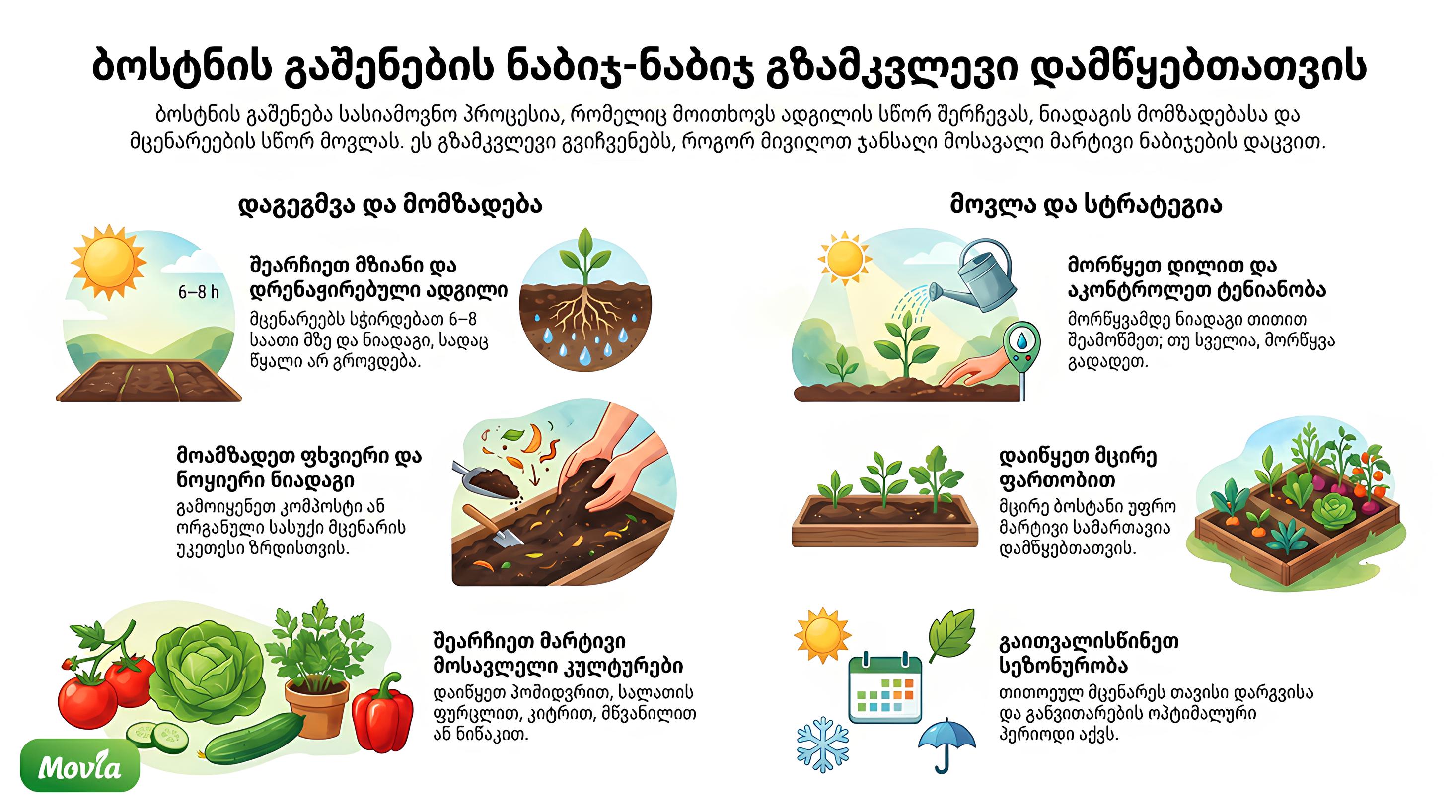
The first step is choosing the right location. Most vegetables need at least 6–8 hours of direct sunlight per day. It is also important that the area be well-drained so that water does not accumulate and the roots are not damaged.
Growing your own garden is one of the most enjoyable and beneficial activities you can start at home. It doesn't matter whether you have a large yard or a small space — with proper planning, setting up a garden is possible almost anywhere.
For beginners, the main challenge is often a lack of information: what to plant first, what kind of soil is needed, how much sun a plant should get, and how to care for it properly. In fact, starting a garden is much easier if you approach the process step by step.
The first step is choosing the right location. Most vegetables need at least 6–8 hours of direct sunlight per day. It is also important that the area be well-drained so that water does not accumulate and the roots are not damaged.
A good garden begins not with a large space, but with properly planned first steps.
A good garden begins not with a large space, but with properly planned first steps.
1. Choose easy-to-care-for plants
If you are starting for the first time, it is better to begin with species that require less care. For example:
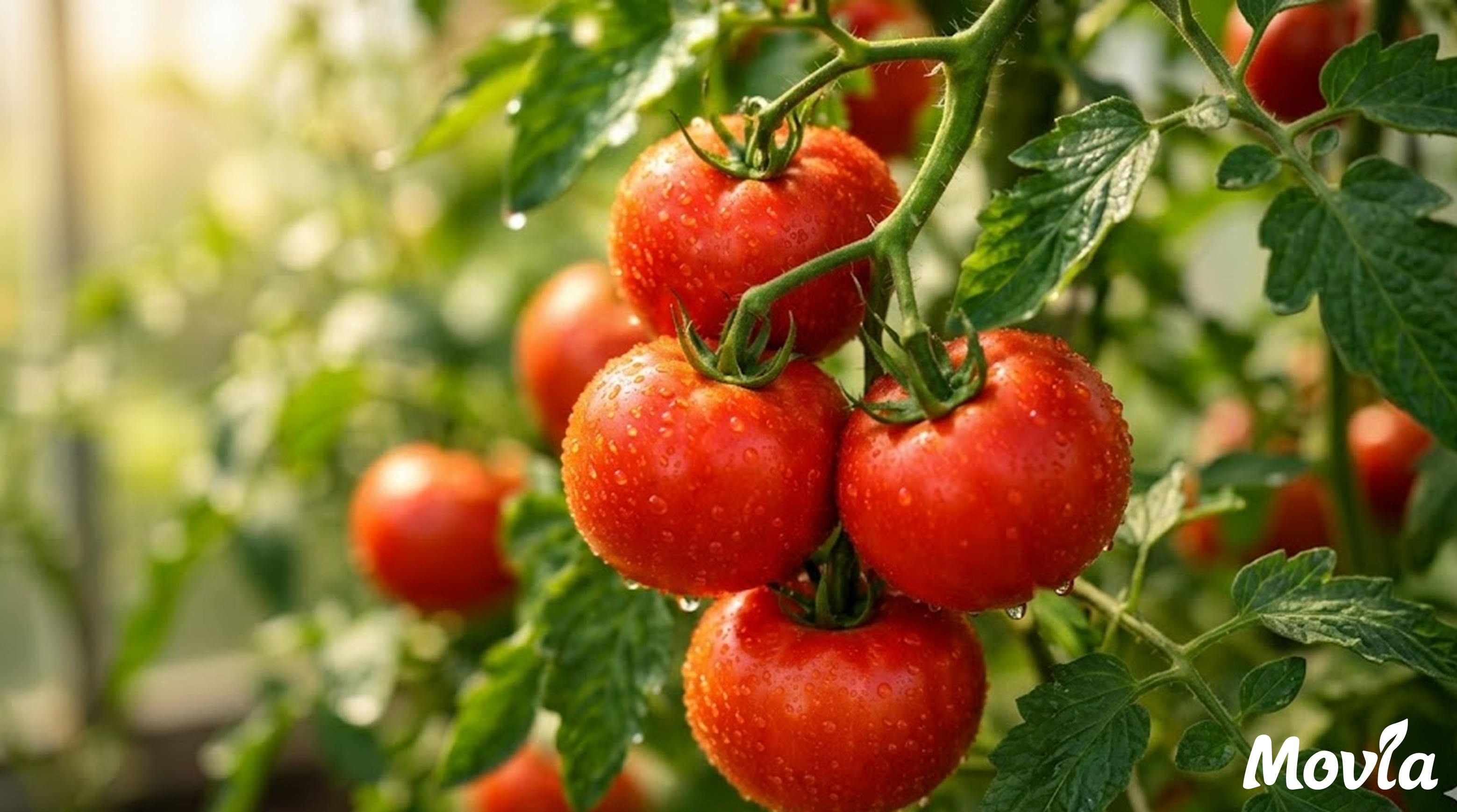
Tomatoes
Lettuce
Cucumbers
Herbs
Peppers
These plants adapt relatively easily to different environments and are a good choice for beginners.
2. Prepare the soil properly
Healthy soil is the foundation of a successful garden. The soil should be loose, fertile, and rich in organic matter. For good results, you can use:
Compost
Well-rotted manure
Organic fertilizers
Proper soil preparation significantly helps the plant grow and develop.
3. Plan watering
Vegetables need regular watering, but too much water is often more harmful than too little. The best time to water is in the morning — then the water is absorbed better and the plant copes with the daytime heat more easily.
Tip: Before watering, check the soil with your finger. If it is still damp below the surface, postpone watering.
4. Consider the season
Each plant has its own planting period. Some grow better in spring, while others do better in cooler weather. Taking the season into account will help plants develop stronger roots and healthier yields.
5. Start with a small area
For beginners, the most common mistake is working too large an area at once. A small garden is easier to manage, and you will also get to know the plant care process better.
1. Choose easy-to-care-for plants
If you are starting for the first time, it is better to begin with species that require less care. For example:
Tomatoes
Lettuce
Cucumbers
Herbs
Peppers
These plants adapt relatively easily to different environments and are a good choice for beginners.
2. Prepare the soil properly
Healthy soil is the foundation of a successful garden. The soil should be loose, fertile, and rich in organic matter. For good results, you can use:
Compost
Well-rotted manure
Organic fertilizers
Proper soil preparation significantly helps the plant grow and develop.
3. Plan watering
Vegetables need regular watering, but too much water is often more harmful than too little. The best time to water is in the morning — then the water is absorbed better and the plant copes with the daytime heat more easily.
Tip: Before watering, check the soil with your finger. If it is still damp below the surface, postpone watering.
4. Consider the season
Each plant has its own planting period. Some grow better in spring, while others do better in cooler weather. Taking the season into account will help plants develop stronger roots and healthier yields.
5. Start with a small area
For beginners, the most common mistake is working too large an area at once. A small garden is easier to manage, and you will also get to know the plant care process better.
Conclusion
Summary
Growing a garden requires patience, observation, and the right approach, but the results are truly worth it. Vegetables grown by your own hand are not only tastier, but also create a special connection with nature.
The main thing is to start simply, step by step, and enjoy the process. Over time, you will gain experience, and your garden will become healthier, more beautiful, and more productive.
Blog
Read other articles
Blog
Read other articles
Blog
Read other articles



Caring for us is easy
Download the "Movla" app and find the specialist you need, or fill out an application and become a gardener yourself!
simple
reliable
safe
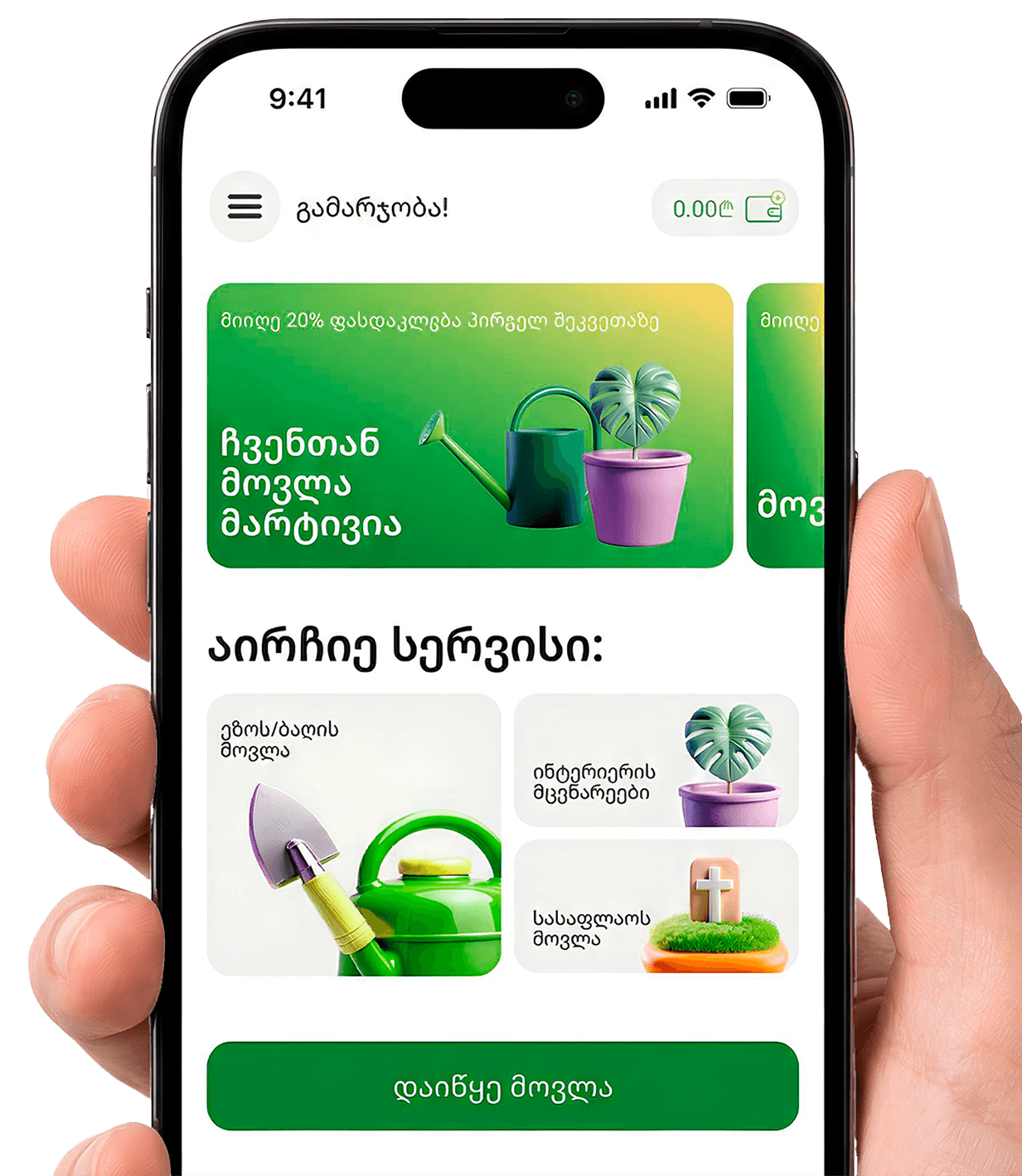
Caring for us is easy
Download the "Movla" app and find the specialist you need, or fill out an application and become a gardener yourself!
Caring for us is easy
Download the "Movla" app and find the specialist you need, or fill out an application and become a gardener yourself!